13 October 2026 · Event Planning A–Z
E — Event Types
by Trafo Baden
Welcome back to our A-Z series on event planning, where we're helping you build the skills and confidence to create memorable experiences for your guests. Today we're tackling "E" for Event Types, because before you can plan the details of an event, you need a clear picture of what kind of event you're actually organizing. Whether it's a seminar, a product launch, an awards evening, or a team celebration, each format comes with its own rhythm, audience, and goals. Let's break down some of the most common event types and how understanding them can set your planning up for success.
Understanding the Different Event Types
Event planning is not a one-size-fits-all discipline. A training session for twelve colleagues calls for a completely different setup than a 300-person product launch or a formal awards dinner. Each event type has its own flavor, audience, and set of objectives, and recognizing those differences early is the first step toward choosing the right venue, format, and budget. In this article, we'll look at four event types you're likely to encounter as an office manager or assistant tasked with planning: seminars and trainings, product launches, award shows, and employee events.
Challenges Across Event Types
Seminars and Trainings: Keeping attendees engaged and ensuring they walk away with knowledge they can actually use.
Product Launches: Unveiling something new in a way that builds excitement without overwhelming the budget or timeline.
Award Shows: Balancing precise timing and flawless execution with genuine warmth and celebration.
Employee Events: Creating real camaraderie rather than just an obligatory day out of the office.
Solutions and Tips for Each Event Type
Seminars and Trainings: The challenge is keeping people engaged long enough for the content to stick. Break up lectures with interactive elements such as live polls (a tool like Kahoot works well), short Q&A rounds, and small-group discussions. Hands-on workshops or breakout sessions give attendees a chance to apply what they're learning instead of just listening to it.
Expert Tip: Keep the food light. Fresh fruit, vegetable platters, and protein-rich snacks keep energy levels steady without leaving attendees sluggish. Always ask about dietary restrictions ahead of time.
Product Launches: Launching a new product successfully means creating a moment people remember and talk about. Lean into storytelling: use visuals, sound, and even touch to bring the product's story to life, and consider a venue whose character matches your brand. Live demonstrations and hands-on previews let attendees experience the product rather than just see it.
Expert Tip: If you're picturing fireworks, confetti cannons, or other special effects, check with the venue first. Many venues restrict pyrotechnics and haze effects or require permits for them, so confirm what's allowed well before the effect becomes part of your run of show.
Award Shows: Award shows have to do two things at once: honor achievements and keep an audience entertained. A dynamic program that blends recognition with multimedia moments, such as tribute videos or a short live performance, keeps energy high throughout the evening.
Expert Tip: Build in generous time buffers around applause, speeches, and photo moments, and coordinate closely with the catering team so plates go out when the room is ready for them, not when the schedule says they should.
Employee Events: Team events succeed or fail based on whether people actually connect with one another, not just occupy the same room. Mix structured team-building activities with unstructured social time, and vary the format across the day so both introverts and extroverts find something that works for them.
Expert Tip: A food festival-style spread with multiple stations tends to work better than a single set menu for employee events. It accommodates a wider range of dietary needs and gives people something easy to talk about while they mingle.
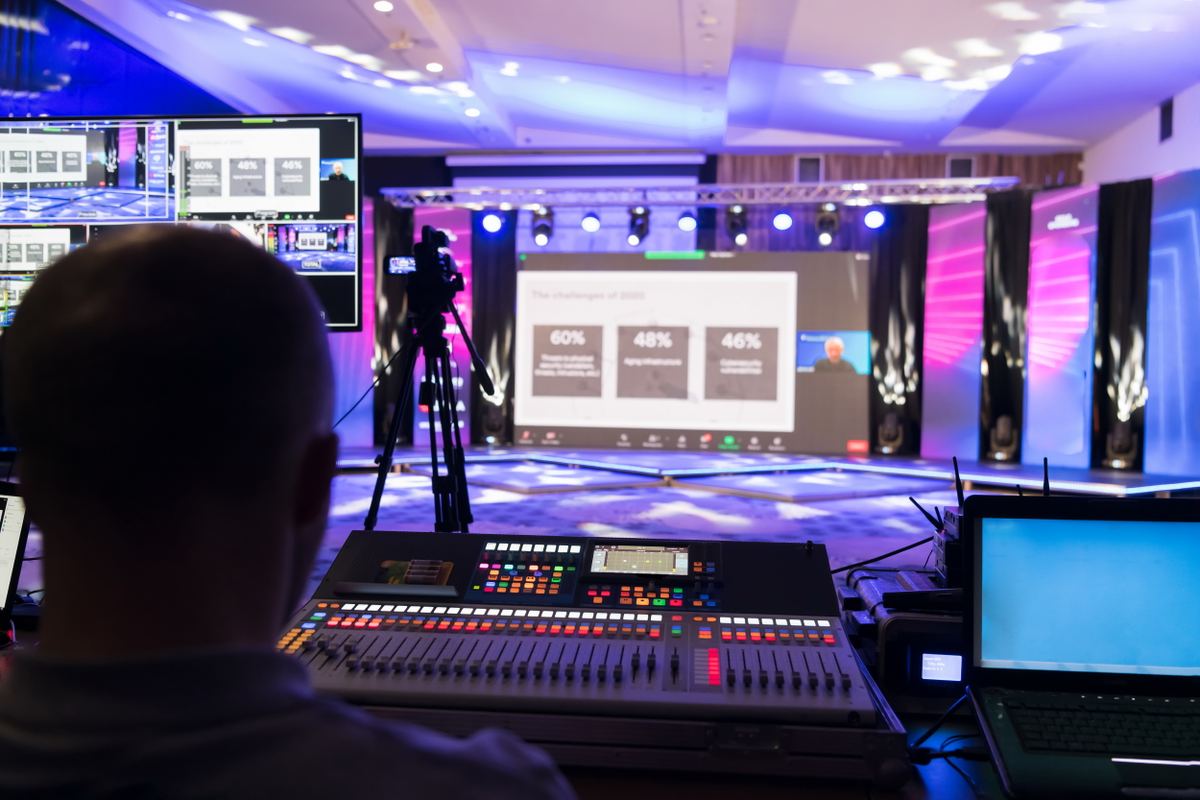
From the venue's point of view, the event type is often the very first question we ask when a booking comes in, because it shapes everything from room layout to staffing to AV needs. A seminar needs classroom or U-shape seating and reliable Wi-Fi; a product launch might need a blackout-capable space and rigging points for lighting; an awards show needs a stage, sightlines, and a green room. Telling your venue contact the true nature of your event, not just the headcount, is one of the simplest ways to make sure the space actually works for what you have planned.
Understanding the nuances between event types is one of the most useful skills you can bring to event planning, especially if it's not your full-time job. Once you know what kind of event you're really organizing, decisions about venue, catering, timing, and budget become much easier to make with confidence.
Stay tuned for our next installment in this A-Z series, where we'll explore "F" for Food Selection, covering how to plan menus, formats, and dietary needs that keep your guests happy and your budget in check.
Until then, happy planning!