
03 November 2026 · Event Planning A–Z
H — Hotel
by Trafo Baden
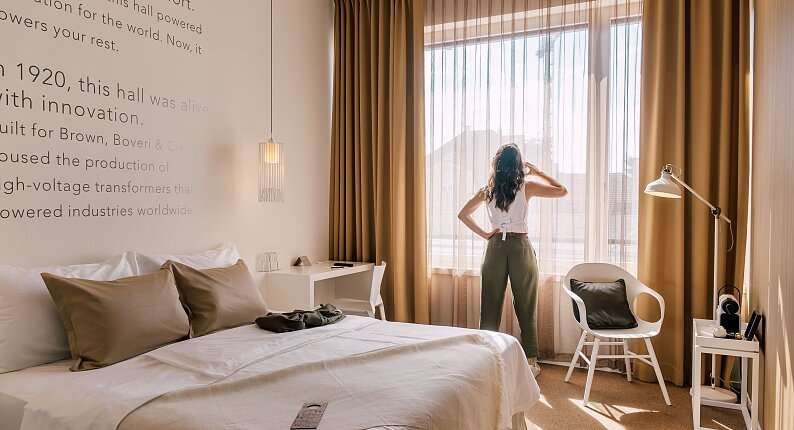
Welcome back to our A-Z series on event planning, where we explore every aspect of creating unforgettable experiences for your attendees. Today we're turning to "H" for Hotel Accommodation, a critical component that can make or break your event's success.
Securing the right hotel accommodation is essential whenever your event attracts out-of-town attendees or spans multiple days. Whether you're planning a corporate conference, a networking event, or a product launch, the hotel experience can significantly shape attendee satisfaction and the overall success of your event.
Why Hotel Accommodation Matters
Choosing the right hotel is about more than providing a place to sleep. It's about ensuring convenience, comfort, and a cohesive experience for your attendees. A well-chosen hotel can enhance networking opportunities, offer the amenities your guests need, and reflect the tone and branding of your event.
Challenges
Proximity and Convenience: Hotels located far from the event venue add travel time and logistical headaches, especially for events with early starts or late finishes. Amenities Gaps: Hotels that lack reliable Wi-Fi, business services, or comfortable communal spaces can leave attendees frustrated rather than refreshed. Room Block Costs: Securing enough rooms for a larger group at a manageable rate, without losing flexibility, takes careful negotiation. Generic Guest Experience: A standard hotel stay that has nothing to do with your event can feel disconnected from the rest of the experience you've built. Guest Communication Gaps: Attendees who don't know what to expect at check-in, or who to contact with a question, can end up confused or frustrated before the event even begins.
Solutions and Tips
Start by choosing a hotel that is either the event venue itself or within easy reach of it, so attendees can focus on the event rather than on transportation.
Expert Tip: Choose a hotel that offers shuttle service to and from the event venue if it isn't onsite. This small convenience can greatly improve the attendee experience, particularly in unfamiliar locations.
Look for hotels that provide the essentials your attendees will actually use: high-speed internet, business centers, and comfortable spaces for informal networking. Additional touches like a fitness center, spa, or strong dining options add extra value to a longer stay.
Expert Tip: Work with the hotel to offer exclusive perks to your attendees, such as complimentary breakfast, Wi-Fi, or access to premium facilities. These small extras can make a big difference in how guests remember their stay.
For larger events, negotiate a block of rooms at a discounted rate to guarantee accommodation for your group while keeping costs predictable. These negotiations often open the door to added benefits, such as upgraded rooms for VIPs, late check-out, complimentary meeting space, or discounts on food and beverage service.
Expert Tip: When negotiating your room block, ask specifically about bonuses like free meeting rooms or catering discounts. These can be especially useful if your event includes breakout sessions or networking meals.
A hotel that tailors its services to your event's theme or objectives elevates the whole experience. Customized welcome kits, branded key cards, or themed touches in common areas reinforce your event's branding and help attendees feel more engaged from the moment they arrive.
Finally, make sure communication between your team, the hotel, and your attendees stays clear throughout. Guests should receive straightforward information about check-in procedures, available services, and event logistics, and there should be one dedicated point of contact at the hotel who can resolve issues quickly.
Expert Tip: Arrange for a hotel liaison or help desk dedicated to your event attendees. This ensures concerns and special requests are handled promptly, which goes a long way toward a smooth overall experience.
From the venue's perspective, the accommodation partnerships that work best are the ones where the planner shares guest details early, including expected arrival times, VIP names, and dietary or accessibility needs, so hotel staff can prepare rather than react. A little advance notice on your end consistently translates into a noticeably smoother check-in experience for your attendees.
To keep hotel accommodation management on track, begin the selection process early to secure the best rates and availability, keep attendees informed about their options and any special arrangements, look for opportunities to personalize the stay, and gather feedback afterward so you can refine your approach and strengthen your hotel relationships for future events.
Conclusion
Hotel accommodation is a vital element of the overall event experience. By choosing the right hotel, negotiating effectively, and aligning the stay with your event's objectives, you can significantly boost attendee satisfaction. The right accommodation can turn a good event into a great one, leaving a lasting, positive impression on your guests.
But the success of your event doesn't rest on where your attendees sleep alone. It also depends on how well your team communicates and coordinates behind the scenes. Stay tuned for our next installment in this A-Z series, where we'll explore "I" for Internal Communication, and look at how effective communication strategies can make all the difference.
Until then, happy planning!